
Unlocking Opportunities: A Comprehensive Guide to the UAE Crypto License
The rapid evolution of cryptocurrencies has ushered in a new era of financial innovation, and the United Arab Emirates (UAE) is at the forefront of this revolution. With a favorable business environment and forward-thinking regulatory frameworks, the UAE has become a haven for crypto enthusiasts and businesses alike. The UAE crypto license is a vital element in this ecosystem, providing legitimacy and structure to companies navigating the complex world of digital currencies.
The Rise of Cryptocurrency in the UAE
In recent years, the UAE has witnessed an exponential increase in cryptocurrency transactions and investments. This surge is primarily attributed to the growing acceptance of blockchain technology and digital assets by individuals and businesses. Major cities like Dubai and Abu Dhabi are positioning themselves as global crypto hubs, attracting investors from around the world. The government has established various initiatives to support the growth of the digital economy, including the establishment of free zones dedicated to cryptocurrency and blockchain innovation.
The Importance of a Crypto License
A crypto license in the UAE serves as a crucial gateway for businesses looking to operate legally within the region. It instills confidence among investors and customers, showcasing that a company adheres to established regulations and standards. Moreover, a crypto license facilitates access to banking services, payment gateways, and partnerships with other financial institutions. Without a license, companies may struggle to gain credibility and may face challenges in securing necessary banking relationships.
Types of Crypto Licenses in the UAE
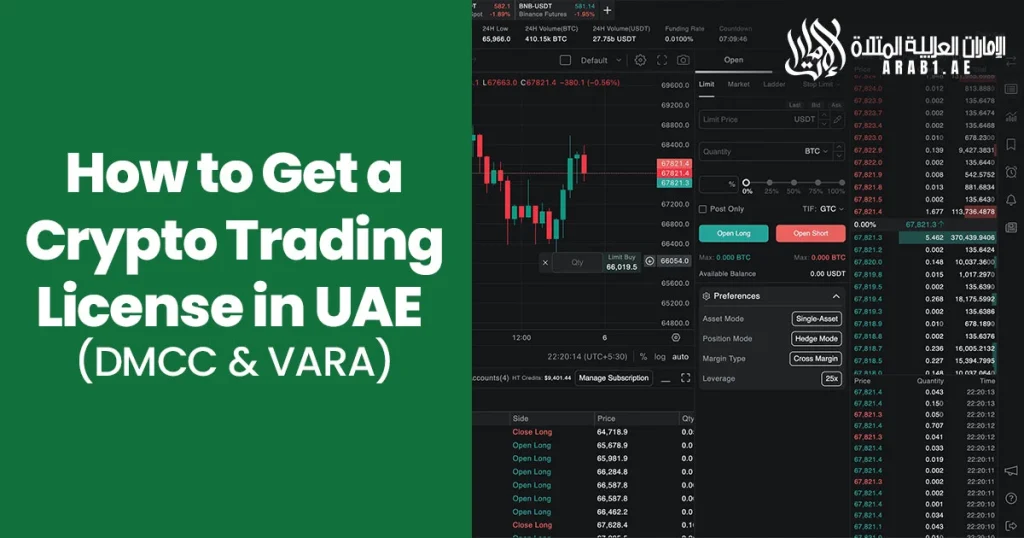
The UAE offers various types of crypto licenses, primarily governed by two regulatory authorities: the Dubai Multi Commodities Centre (DMCC) and the Abu Dhabi Global Market (ADGM). Each authority has its own framework tailored to the unique needs of the crypto sector.
Dubai Multi Commodities Centre (DMCC)
The DMCC is a popular choice for crypto businesses, offering a license that covers a range of activities such as trading, brokerage, and financial advisory services. The DMCC’s straightforward application process and commitment to fostering innovation make it an attractive option for startups and established companies alike.
Abu Dhabi Global Market (ADGM)
ADGM has established a comprehensive regulatory framework for digital assets, which includes a specific license for cryptocurrency businesses. The ADGM focuses on ensuring compliance with international standards, incorporating Anti-Money Laundering (AML) and Counter-Terrorism Financing (CTF) regulations. It provides a secure environment for firms looking to operate within the finance sector while promoting transparency and accountability.
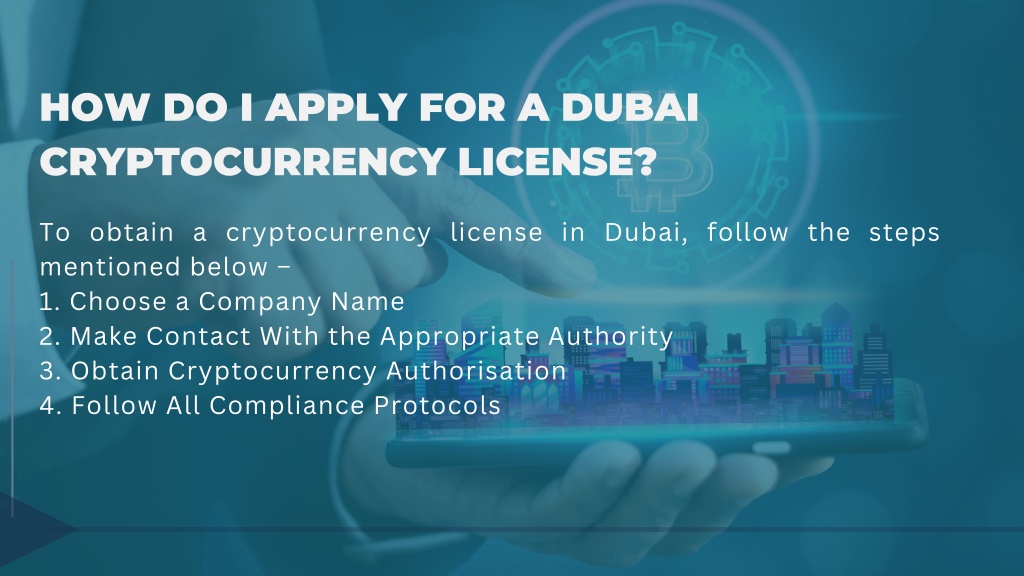
Obtaining a UAE Crypto License: The Process
The process of obtaining a crypto license in the UAE is relatively streamlined, reflecting the country’s commitment to attracting foreign investment. Here’s a step-by-step guide to navigating this process:
1. Choose a Business Activity
Identify the specific services you intend to offer, such as cryptocurrency trading, wallet provision, or blockchain development. This will determine which license is appropriate for your business.
2. Select a Jurisdiction
Decide whether to operate under the DMCC or ADGM. Each jurisdiction has distinct advantages, so it is essential to analyze the benefits and choose based on your business needs.
3. Prepare Documentation
Gather the necessary documents for your application, which generally include a business plan, proof of identity, and evidence of sufficient capital. Be prepared to demonstrate your understanding of the crypto landscape and your dedication to compliance.
4. Complete the Application
Submit your application through the chosen regulatory authority. Be thorough and ensure all details are accurate to avoid delays in processing.
5. Await Approvals
The review process can take anywhere from a few days to several weeks, depending on the complexity of your application. Patience is key during this stage.