
When looking to understand how How Foreign Casino Licences Differ From Swedish Ones https://consensum-vuxs.se/ differ, it’s essential to navigate a landscape marked by diversity in regulations and compliance requirements. Online gaming has surged in popularity, leading to an increased demand for casino operators to seek licenses from jurisdictions outside their home country. This trend has brought a complex array of licensing options, each predefined by the local laws and operational standards of different countries. Understanding these differences can aid players, operators, and regulators in making informed decisions.
1. The Importance of Casino Licences
Casino licenses serve as a crucial element in the gaming industry, ensuring that operators adhere to legal standards. These licenses offer players some protection, promoting fair gaming practices and providing mechanisms for dispute resolution. They also create a legal framework under which the casino operates, which is typically regulated by the government of the issuing jurisdiction.
2. Variations in Licensing Jurisdictions
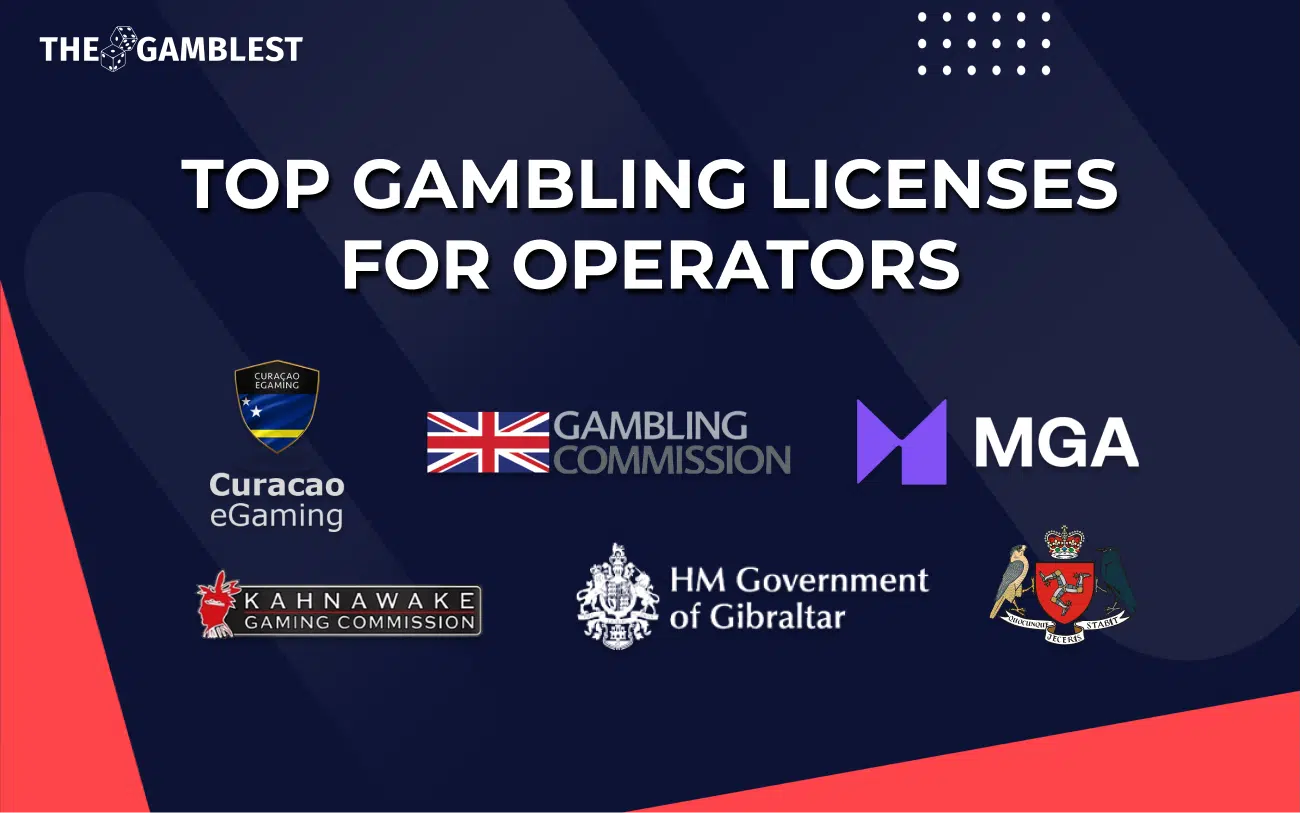
Casino licenses can be categorized by the jurisdictions that offer them—each with its own regulations and compliance benchmarks. Some of the most recognized licensing jurisdictions include Malta, Gibraltar, the Isle of Man, Curacao, and the UK. Each jurisdiction is known for different strengths, which can greatly affect an operator’s decision to obtain a license from one or another.
2.1 Malta
The Malta Gaming Authority (MGA) is known for its rigorous regulatory practices. It is often seen as a gold standard in the industry, providing a robust framework that fosters transparency and fairness. Malta offers a range of licenses tailored to different gaming activities, and its regulations require operators to comply with strict standards regarding player protection and responsible gaming.
2.2 Gibraltar
Gibraltar is another highly respected licensing jurisdiction, offering a favorable tax regime and strong privacy protections. The regulatory authority here emphasizes online gambling security and consumer protection, making it a preferred choice for many operators aiming to establish credibility in the European market.
2.3 Isle of Man
The Isle of Man is known for a straightforward licensing process and favorable taxation. The Isle of Man Gambling Supervision Commission applies high regulatory standards, ensuring fair play and security for players. This jurisdiction is particularly popular among software providers and online casinos due to its tech-friendly environment.
2.4 Curacao
In contrast, Curacao offers a more accessible and cost-effective licensing option, making it appealing to new startups. However, it has been criticized for its less stringent regulations compared to other jurisdictions. While it provides a license quickly, operators must be aware that a Curacao license may not carry the same weight in terms of player trust as one from Malta or Gibraltar.
2.5 United Kingdom
The United Kingdom Gambling Commission is recognized for its robust regulatory framework. UK-licensed operators must adhere to strict guidelines, particularly around responsible gambling. This can include tools that help players manage their gambling habits, reflecting a commitment to player safety and welfare.
3. Compliance Requirements
Compliance is a key differentiator among casino licenses. Each licensing jurisdiction has established specific requirements that operators must meet to maintain their licenses. These can include background checks for operators and staff, technical standards for gaming software, and regular audits to ensure compliance with financial regulations.
3.1 Technical Standards and Security
Many jurisdictions mandate that casinos use certified software that meets specific technical standards. For example, the MGA requires games to be tested and certified for fairness, ensuring that outcomes are random and unpredictable. This provides players with confidence that they are participating in a fair gaming environment.
3.2 Player Protection and Responsible Gaming
Regulations often focus heavily on player protection measures. This includes the implementation of responsible gaming measures, such as self-exclusion options and limit-setting features. The UKGC, for instance, requires all licensed operators to have robust policies in place to protect vulnerable players.
4. Taxation Structures
Taxation varies significantly from one jurisdiction to another, influencing the financial viability of operating a casino. Some jurisdictions offer very low tax rates, allowing operators to keep a more substantial portion of their revenue. For example, Curacao is renowned for its minimal tax burdens, while Malta has a more competitive, albeit higher tax structure.

5. Impact on Players
The differences in licensing directly impact players as well. Players should understand that not all licenses provide the same level of protection. A casino licensed in a rep
utable jurisdiction often has to adhere to strict regulations that protect players. Conversely, a casino licensed in a more lenient jurisdiction may not offer the same assurances in terms of player safety and fair gaming.
6. Conclusion
Understanding the differences between foreign casino licenses is crucial for anyone involved in the online gaming space, whether as a player or an operator. The jurisdictional variations across the globe lead to different regulatory frameworks, compliance requirements, and taxation structures. These differences can influence the security, fairness, and overall gambling experience. It is vital for players to do their research and ensure they are engaging with licensed, reputable operators to safeguard their interests.