

Vanuatu, a beautiful archipelago located in the South Pacific, is not only known for its stunning landscapes and rich cultural diversity but also for its unique approach to education. The educational system in Vanuatu reflects the values and traditions of its people while also adapting to the challenges posed by modernity. To facilitate greater understanding, we will explore various aspects of Vanuatu learning, including its structure, cultural influences, and available resources such as vanuatu learning vanuatu education and development resources.
The Structure of Education in Vanuatu
The educational system in Vanuatu is divided into several levels: early childhood education, primary education, secondary education, and tertiary education. The government has made significant strides to improve access to education, especially in rural areas where children previously faced barriers to learning.
Early Childhood Education
Early childhood education (ECE) is an essential component of the Vanuatu educational landscape. The government has prioritized the establishment of ECE centers to promote the development of young children. These centers focus on holistic development, incorporating physical, social, emotional, and cognitive growth. Local traditions and customs play a vital role in the curriculum, ensuring that children learn about their culture while developing foundational skills.
Primary Education
Primary education in Vanuatu lasts for six years and is compulsory for all children aged 6 to 12. The curriculum emphasizes literacy and numeracy alongside cultural education, allowing students to learn in both Bislama (the national language) and English or French, the official languages of Vanuatu. This bilingual approach aims to prepare students for secondary education and promote a diverse societal understanding.
Secondary Education
Secondary education is divided into two cycles: the first cycle (lower secondary) lasts four years, while the second cycle (upper secondary) lasts for two years. Amidst challenges such as limited resources and geographical barriers, the Vanuatu government is focused on improving secondary education access. Scholarships and funding from international partners are helping to enhance facilities and training for teachers.
Tertiary Education
Tertiary education in Vanuatu is provided by the University of the South Pacific (USP) and various vocational training institutions. USP has a campus in Vanuatu, offering degrees in fields such as education, business, and environment. The demand for skilled professionals is rising, and vocational training programs aim to equip students with practical skills that can contribute to economic growth.
Cultural Influences on Learning
The beauty of Vanuatu’s educational system lies in its intertwining with the rich culture of the islands. Learning is not confined to classroom walls; it is a communal effort. Knowledge is often passed down orally, with elders playing a crucial role in educating younger generations about traditional practices, customs, and values.
Moreover, local languages are a fundamental aspect of cultural identity. Although the official languages are English and French, Vanuatu is home to over 100 indigenous languages. This linguistic diversity enriches the learning experience and helps preserve cultural heritage. Schools are encouraged to incorporate local languages into their curriculum, fostering a sense of belonging and pride among students.
Challenges in Vanuatu Education
Despite the progress made, Vanuatu’s education system faces several challenges. Rural areas often lack adequate facilities, resources, and trained teachers, leading to disparities in educational opportunities. Additionally, natural disasters, such as tropical cyclones and volcanic eruptions, frequently disrupt the learning process, causing significant setbacks.
Efforts to strengthen the education sector are ongoing, with an emphasis on investing in teacher training, infrastructure, and disaster resilience strategies. Partnerships with international organizations have also proven beneficial in addressing these challenges, providing funding and expertise to support educational development.
Opportunities for Improvement
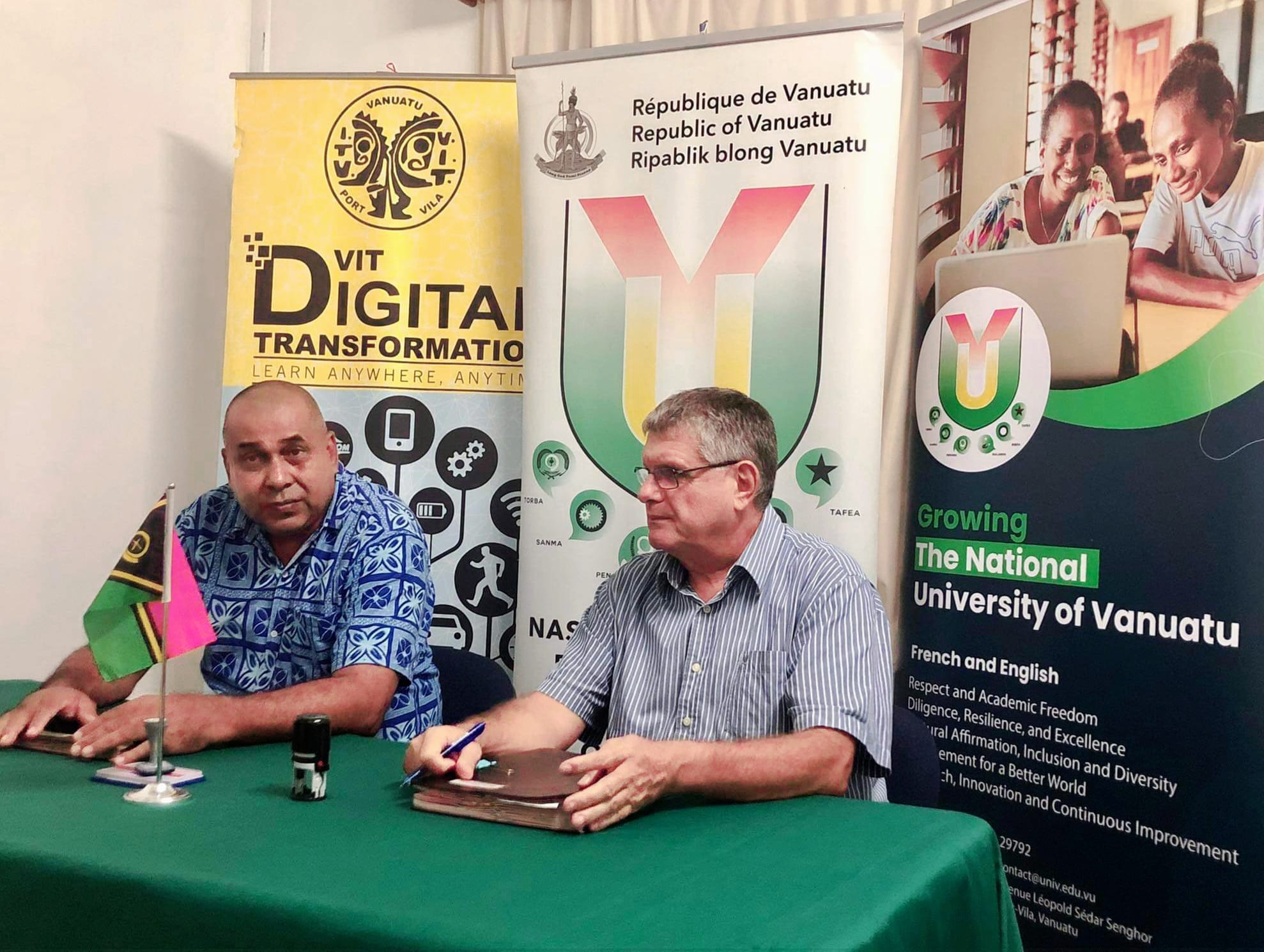
Moving forward, there are numerous opportunities to enhance education in Vanuatu. Integrating technology into classrooms is one avenue that could greatly benefit students. Initiatives aimed at equipping schools with digital resources and training teachers to use technology effectively can make learning more engaging and accessible, especially in remote areas.
Furthermore, fostering community involvement in education can lead to more tailored and relevant learning experiences. Encouraging parents and local leaders to participate in decision-making processes regarding education can ensure that the needs of the community are met and that cultural values are upheld.
Conclusion
Vanuatu’s educational landscape is a testament to the resilience and adaptability of its people. While challenges persist, the commitment to improving access to quality education is unwavering. By nurturing cultural identity, embracing innovation, and working together as a community, Vanuatu has the potential to create a brighter future for its children. Education is not just a pathway to knowledge; it is a means of preserving culture and ensuring that future generations can thrive in a rapidly changing world.