
The Illusion of Winning
Many individuals who visit casinos are often captivated by the glimmering lights and the promise of fortune that hangs in the air. However, while the excitement of winning can be intoxicating, it is essential to acknowledge the reality that frequent casino play often leads to losses rather than gains, especially when considering options like $10 neosurf deposit casino that may seem appealing but can ultimately contribute to unanticipated expenses. Players may enter with the hope of striking it rich, yet the odds are typically designed in favor of the house, creating an illusion of potential success that can be misleading.
Casinos are adept at creating an environment where players are encouraged to extend their time and money. Free drinks, enticing promotions, and the alluring sounds of slot machines can lead individuals to lose track of their spending. This psychological strategy often results in players gambling more than they initially intended, ultimately contributing to their overall financial loss. Understanding that the casino’s design aims to keep players engaged is crucial in recognizing these hidden costs.
In navigating this landscape, it becomes clear that the emotional and psychological toll of gambling can supersede financial losses. The highs of winning can lead to an increased desire for more, while the lows may foster feelings of regret and anxiety. This emotional rollercoaster can result in a cycle of chasing losses, ultimately leading to significant costs that extend far beyond money, affecting mental health and relationships.
Time as a Costly Commodity
Time is an invaluable asset, yet it is often overlooked when it comes to frequent casino play. Many players may not realize how much time they expend in pursuit of gambling. Hours spent at the gaming tables or in front of slot machines can quickly add up, resulting in lost opportunities for other rewarding activities. When one frequently visits a casino, the time that could have been devoted to hobbies, family, or self-care is effectively sacrificed.
Additionally, this excessive time commitment can lead to diminished productivity in other areas of life. For example, a person who spends several evenings each week at a casino may find their performance at work or their ability to maintain personal relationships suffer. The unanticipated consequences of time spent gambling can create a ripple effect, impacting not only the player but also those around them.
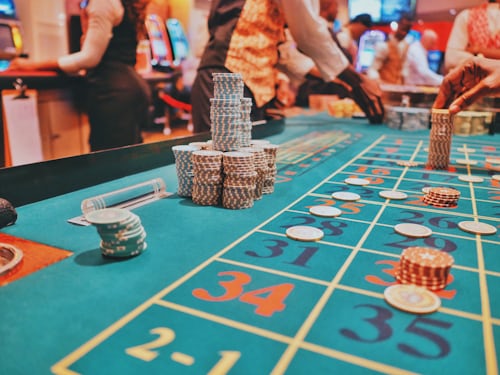
Moreover, the social aspect of casino play can lead to a false sense of community, where players may prioritize gambling over more fulfilling relationships. While the casino environment may provide an illusion of companionship, deep connections often suffer when gambling takes precedence. This misallocation of time can lead to isolation and regret, adding another layer to the hidden costs associated with frequent betting.
The Financial Drain
The most apparent hidden cost of frequent casino play is undoubtedly the financial drain it represents. Gamblers may enter a casino with a set budget, only to find themselves spending more than they anticipated. The thrill of betting and the hope of winning can lead to impulsive decisions, often resulting in players losing not only their gambling funds but also dipping into savings or incurring debt to continue playing.
Beyond the immediate losses, the financial ramifications can continue to linger long after the last bet has been placed. Players might face rising credit card bills, loan repayments, and other related expenses that can lead to long-term financial instability. It’s vital for individuals to keep track of their spending habits and recognize when gambling becomes more than just a pastime, potentially turning into a financial burden.
Additionally, the cost of gambling transcends mere monetary loss. Frequent players may also experience hidden charges such as membership fees to exclusive clubs, transportation costs, and payments for food and entertainment within the casino. All these expenses accumulate, making an evening of fun turn into a significant financial commitment that few players fully anticipate before stepping through the doors.
The Impact on Relationships
Frequent casino play can exert a profound impact on personal relationships. Partners, friends, and family members may need to cope with the consequences of a loved one’s gambling habits, which can lead to issues of trust, communication breakdown, and emotional detachment. The financial strain caused by gambling losses can also generate tension, causing rifts that may take significant time and effort to mend.
Furthermore, relatives may feel compelled to intervene when a loved one’s gambling becomes problematic, sometimes leading to confrontations that can strain relationships even further. Feelings of shame and guilt may prevent the gambler from seeking support or help, leading to a cycle of denial that only exacerbates the situation. Addressing the hidden costs of gambling in interpersonal dynamics is crucial for fostering understanding and healing within relationships.
In navigating this social landscape, it is essential for gamblers to recognize the importance of open communication with those around them. By discussing their gambling habits with loved ones, individuals may find support and accountability that can help mitigate the negative effects of their actions. Creating an environment where concerns can be openly shared may pave the way for healthier relationships and a more balanced approach to leisure activities.
Learn More About Responsible Gambling
For those who want to delve deeper into the hidden costs associated with frequent casino play, educating oneself about responsible gambling is a necessary step. Numerous resources are available that address not only the risks involved in gambling but also strategies for maintaining a healthy relationship with gambling activities. Understanding the signs of gambling addiction and knowing when to seek help can significantly contribute to a more balanced lifestyle.
Websites dedicated to gambling education often provide tools, tips, and community support for individuals seeking to transform their gambling habits. Knowledge is a powerful weapon against the allure of casinos, enabling players to make informed decisions rather than impulsive ones. Engaging with these resources can provide essential insights that help mitigate the hidden costs of gambling.
Ultimately, the journey towards understanding the implications of frequent casino visits requires an openness to self-reflection and an acknowledgment of both its joys and pitfalls. By equipping oneself with information and actively seeking to create a balanced approach to gambling, individuals can aim to enjoy the thrill of the game while minimizing the hidden costs that can arise from frequent play.